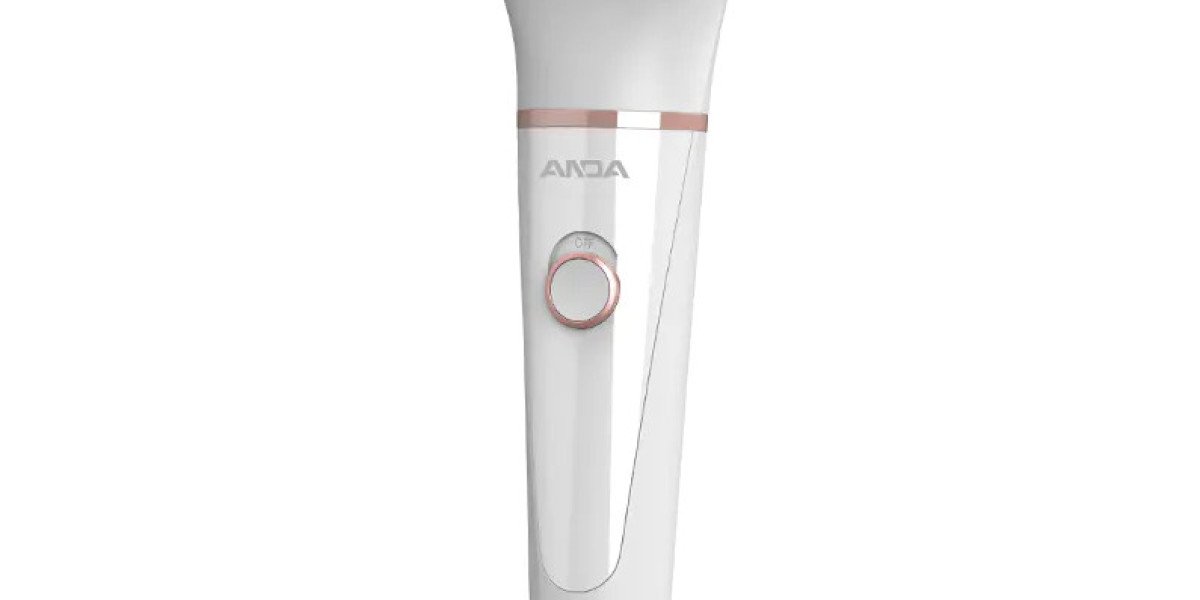

A Long-Term Strategy for Hair Management
The women's electric epilator represents a significant investment in a long-term hair removal strategy, operating on a fundamentally different principle than its shaving or depilatory cream counterparts. This device mechanically grasps multiple hairs simultaneously with rotating tweezers or discs and extracts them directly from the follicle. The process, while initially more intense, promises results that can last for several weeks, as hair must regrow entirely from the root. Its adoption reflects a shift from frequent, superficial maintenance to a less regular but more thorough regimen, appealing to those seeking longer intervals of smooth skin and finer regrowth over time.
The Science of Epilation and Its Comparative Advantage
The core mechanism involves a motorized head lined with dozens of tiny, precision-aligned tweezers that open and close rapidly as the head rotates or oscillates. This action catches hairs as short as 0.5 mm and pulls them out. The key benefit lies in the hair growth cycle: by removing the entire hair, the follicle enters a new resting phase. With consistent use over multiple cycles, regrowth becomes noticeably slower, finer, and sparser. Unlike shaving, which cuts hair at the skin's surface (leading to blunt-tipped stubble within days), or chemical creams that dissolve hair just below the surface, this method disrupts the follicle more effectively. Compared to professional waxing, it offers similar results with greater privacy, convenience, and cost savings after the initial purchase.
Navigating Comfort and Technique for Optimal Results
The sensation, often described as a rapid series of pinches, is the most common concern. Modern devices have ingeniously addressed this through design features: contoured heads that flex to follow body curves, multiple speed settings (lower for sensitive areas), built-in massaging surfaces or vibration to distract nerve endings, and cooling systems to soothe skin during use. Technique is paramount for comfort and efficacy: holding the skin taut, moving the device slowly against the direction of hair growth, and using the device on dry, clean skin (unless it's a specifically designed wet/dry model) are critical steps. For beginners, taking an over-the-counter pain reliever 30 minutes prior and epilating after a warm shower (when pores are open) can markedly improve the experience.
Hygiene, Maintenance, and Model Selection
Post-procedure care and device upkeep are essential. The skin should be soothed with an alcohol-free, calming lotion like aloe vera. The epilator head itself requires meticulous cleaning after each use to prevent bacterial transfer and clogging. Most heads are detachable and can be rinsed under running water; they should then be thoroughly dried. Regular replacement of the head—typically every 6 to 12 months with frequent use—is necessary to maintain its grasping efficiency and hygiene. When selecting a unit, key considerations include cordless versatility for use anywhere, a wide head for efficiency on large areas like legs, a narrow head for precision work, and whether a wet/dry capability (for use in the bath with gel) is desired for those with lower pain tolerance.
Integrating Epilation into a Personal Care Philosophy
Adopting this method is more than choosing a tool; it's embracing a different beauty routine philosophy. It favors long-term planning over daily convenience, trading immediate, effortless smoothness for sustained results and diminishing future effort. It empowers users with complete control over their schedule, eliminating appointments or last-minute shaving. For many, the initial adjustment period leads to a rewarding routine where hair management becomes a brief, bi-weekly task rather than a daily consideration. This aligns with a growing preference for sustainable, at-home solutions that offer professional-grade outcomes.