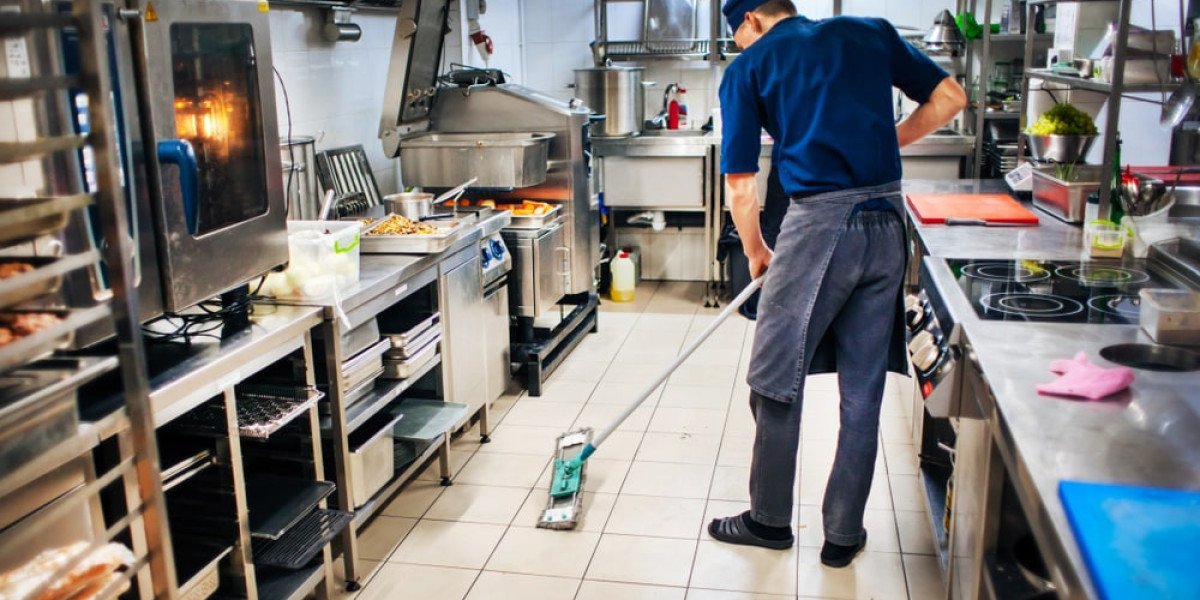

Commercial kitchens are extremely high-activity environments where large volumes of food, oils, grease, and steam are handled continuously throughout the day. Unlike household kitchens, these spaces operate under intense heat, heavy cooking output, and constant exposure to smoke, fumes, and organic waste, all of which contribute to persistent and often strong odors. These odors are not just unpleasant; they are clear indicators of underlying hygiene, ventilation, and operational issues that, if left unaddressed, can affect staff comfort, reduce food quality, and even lead to compliance problems with health regulations. Factors such as grease accumulation in hoods and ducts, decomposing food waste, inefficient plumbing, and inadequate airflow can intensify these smells, creating a challenging work environment.
Understanding the sources and impacts of these odors is critical for maintaining a safe, sanitary, and professional kitchen space. Implementing effective strategies such as proper kitchen ventilation, systematic grease management, thorough cleaning of drains and surfaces, and employing a reliable kitchen cleaning service near me ensures that odors are controlled, hygiene standards are met, and kitchen operations remain smooth and efficient.
Primary Sources of Strong Odors
Commercial kitchen odors originate from multiple sources that interact to create a persistent smell environment. Airborne fats, cooking oils, and smoke settle on surfaces, ducts, and ventilation systems, generating a base layer of rancid odors over time. Organic waste such as meat, dairy, and vegetable scraps decomposes, releasing volatile compounds that intensify the smell. Plumbing issues, including slow drains, clogged pipes, and dried traps, allow sewer gases to infiltrate work areas. Inefficient airflow traps smoke and steam, preventing odors from being expelled and contributing to an uncomfortable atmosphere for staff and diners.
Grease and Fats as Persistent Odor Sources
Grease and cooking fats are not simply residues; they act as a medium for bacteria while trapping lingering smells in hoods, ducts, and filters. Over time, accumulated layers break down chemically, producing strong, pungent odors that affect the kitchen environment. Bacterial activity feeds on these residues, creating additional malodorous byproducts that intensify the overall smell. Saturated filters lose efficiency, allowing odors to circulate freely throughout the workspace. Obstructed airflow caused by grease buildup further reduces ventilation effectiveness, leaving the kitchen with a heavy, persistent odor profile.
Drainage and Plumbing Contributions
Plumbing systems are a hidden but significant contributor to strong kitchen odors. Food particles trapped in slow drains create anaerobic conditions, releasing gases that permeate the area. Grease traps that are overloaded or poorly maintained become hotspots for foul smells, affecting surrounding surfaces. Dry P-traps remove the water barrier, allowing sewer gases to enter the kitchen directly. Blocked or backed-up pipes push wastewater toward floor drains, spreading persistent and often overpowering odors. These hidden plumbing issues combine to create a continuous source of smell that is easily overlooked during routine inspection.
Ventilation and Airflow Problems
Ventilation systems play a central role in odor management, and compromised airflow exacerbates lingering smells. Blocked filters and ductwork reduce the system’s ability to carry away smoke, grease, and heat effectively. Insufficient air changes fail to replace stale kitchen air with fresh intake, allowing odors to accumulate. Recirculated air without proper filtration spreads unwanted smells throughout the kitchen and adjacent areas. Imbalanced makeup air or negative pressure draws odor-laden gases back into workspaces, creating a persistent, unhealthy environment for staff and impacting operational efficiency.
Hidden Sources Often Overlooked
Odors in commercial kitchens can originate from areas that are not immediately visible but significantly affect air quality. Walk-in coolers, pantries, and storage shelves can harbor spoilage smells when food residues or moisture accumulate. Trash and recycling zones that are not properly sealed or emptied frequently allow decomposing waste to spread foul aromas. Walls, ceilings, and even light fixtures can trap grease or spills that degrade over time, releasing persistent odors. Plumbing vents or poorly maintained roof lines may allow sewer gases to enter the workspace, adding an additional hidden source of kitchen smells.
Impact on Staff Health and Comfort
Persistent odors in commercial kitchens directly affect the well-being of staff and the efficiency of daily operations. Lingering smells can cause headaches, nausea, respiratory irritation, and fatigue, reducing employee productivity. Poor air quality can create a stressful work environment, increasing the likelihood of mistakes during food preparation. Strong kitchen odors may also decrease morale, as staff work in a less pleasant atmosphere for long shifts. Addressing these factors is essential to maintain a safe, comfortable, and professional workspace for all kitchen personnel.
Customer Experience and Operational Effects
Odors that escape the kitchen into dining or service areas can negatively influence customer perception and satisfaction. Lingering smells may be associated with unclean or poorly maintained kitchens, even if food quality is high. Strong aromas traveling to seating areas can deter repeat visits, affecting overall business reputation. Persistent kitchen odors can also complicate operational workflows by distracting staff and requiring constant odor mitigation. Maintaining effective odor control reinforces a professional environment and ensures a positive dining experience for patrons.
Pest Attraction and Hygiene Concerns
Uncontrolled odors attract pests such as flies, rodents, and insects, which thrive on organic residues and grease deposits. Accumulated food waste, drains, and improperly sealed trash bins serve as primary attractants. Pest activity not only worsens odor issues but also introduces serious hygiene risks, including contamination of food preparation surfaces. Persistent smells can indicate bacterial growth or mold, further compromising sanitation standards. Eliminating these odor sources is essential to uphold health compliance, protect staff, and maintain safe kitchen operations.
Regulatory Compliance and Legal Implications
Strong odors in commercial kitchens can indicate violations of health and safety standards, potentially leading to fines or closures. Regulatory frameworks often require kitchens to maintain proper ventilation, clean drainage, and sanitary surfaces. Odor management is a visible sign of adherence to hygiene protocols during inspections. Failure to control smells may also reflect inadequate maintenance practices, jeopardizing professional credibility. Implementing a comprehensive approach to odor control ensures kitchens remain compliant with regulations while protecting both employees and customers.
How Strong Odors Affect Commercial Kitchen Operations?
Persistent odors in commercial kitchens do more than create discomfort they indicate operational, hygiene, and safety challenges. Lingering smells can impact staff efficiency, customer experience, and regulatory compliance. Understanding these effects helps kitchen operators implement effective strategies to maintain a safe and professional environment.
Staff Health and Comfort: Strong odors can trigger headaches, nausea, and respiratory irritation, making the workspace unpleasant. Fatigue and reduced focus are common when air quality is compromised. Maintaining proper ventilation and odor control supports staff productivity and well-being.
Customer Experience and Satisfaction: Odors that escape into dining areas can negatively affect patrons’ perception of hygiene. Lingering smells may discourage repeat visits or reduce overall satisfaction. Effective odor management ensures a clean, welcoming environment for diners.
Hygiene Compliance and Inspection Readiness: Persistent smells often indicate underlying sanitation issues that may fail health inspections. Noncompliance can lead to fines, penalties, or temporary closures. Regular monitoring and control of odor sources demonstrate professional hygiene standards.
Pest Attraction and Infestation Risks: Organic residues and grease odors attract rodents, insects, and other pests. These infestations compromise food safety and further intensify unwanted smells. Controlling odors reduces the likelihood of pests and protects kitchen integrity.
How Strong Odors Disrupt Commercial Kitchen Operations?
Persistent odors in commercial kitchens are more than a nuisance; they highlight critical operational, safety, and hygiene challenges. Lingering smells affect staff efficiency, customer satisfaction, and regulatory compliance if left unaddressed. Recognizing these impacts allows kitchen managers to adopt effective strategies for a safer, cleaner, and more professional environment.
Staff Health and Comfort: Lingering kitchen smells can cause headaches, nausea, and respiratory irritation, reducing focus and energy. Poor air quality contributes to fatigue and decreased productivity during busy shifts. Maintaining proper ventilation and odor control ensures a healthier, more comfortable workspace for all staff.
Customer Experience and Satisfaction: Odors that spread into dining areas negatively influence patrons’ perception of cleanliness. Persistent smells may discourage repeat visits and undermine overall satisfaction. Implementing effective odor management creates a welcoming and hygienic environment for diners.
Hygiene Compliance and Inspection Readiness: Strong smells often indicate hidden sanitation issues that risk failing health inspections. Noncompliance can result in fines, penalties, or operational shutdowns. Consistent monitoring and management of odor sources demonstrate professionalism and adherence to regulatory standards.
Pest Attraction and Infestation Risks: Organic residues, grease, and decomposing waste attract rodents, insects, and other pests. Infestations compromise food safety and amplify unpleasant odors in the kitchen. Controlling odor sources reduces the likelihood of pests and protects overall kitchen hygiene.
Why Commercial Kitchens Struggle to Control Persistent Odors?
Persistent odors in commercial kitchens often indicate deeper operational and hygiene challenges. Many kitchens fail to address all contributing factors, leaving smells unresolved. Understanding these failures is essential for implementing effective, comprehensive odor control strategies.
Overemphasis on Ventilation or Grease Removal: Some kitchens focus only on smoke vents or surface grease, ignoring hidden residues. Neglecting walls, ceilings, and ductwork allows odors to linger. A narrow approach limits overall air quality and odor mitigation.
Neglect of Plumbing and Drain Issues: Slow drains, dry P-traps, and clogged pipes can emit foul gases that remain unnoticed. Overlooking these plumbing sources allows persistent odors to infiltrate workspaces. Proper management of drainage systems is critical for odor prevention.
Ignoring Bacterial and VOC Contributions: Organic residues and decomposing waste release bacteria and volatile compounds that intensify smells. Kitchens that fail to address microbial growth allow odors to build. Effective sanitation practices are required to eliminate these hidden sources.
Lack of Integrated Cleaning and Monitoring: Without coordinated schedules linking hoods, drains, storage, and trash management, odors persist despite surface cleaning. Overlooking staff comfort, regulatory compliance, and customer perception further reduces operational efficiency. A holistic approach ensures lasting odor control.
Conclusion
Strong odors in commercial kitchens arise from multiple sources, including grease accumulation, decomposing food waste, plumbing challenges, and inefficient ventilation systems. These persistent smells not only compromise staff comfort but also threaten food safety, customer satisfaction, and compliance with health regulations. Implementing a comprehensive odor control strategy incorporating proper grease and waste management, thorough cleaning, optimized airflow, and organized storage practices ensures a hygienic and professional kitchen environment. Regular attention to ventilation systems and routine kitchen exhaust cleaning helps eliminate trapped odors and maintain optimal air quality. By prioritizing these proactive measures, commercial kitchens can operate efficiently, safeguard staff well-being, and provide a safe, pleasant experience for patrons.
Frequently Asked Questions
What are the main causes of strong odors in commercial kitchens?
Strong odors typically arise from accumulated grease, decomposing food waste, inefficient ventilation, and plumbing issues. Each factor contributes volatile compounds and bacteria that create persistent smells. Identifying all sources is essential to effectively manage air quality and hygiene.
How does grease buildup contribute to kitchen odors?
Grease and cooking oils accumulate on hoods, ducts, filters, and surfaces over time. These residues can oxidize and release rancid odors, while also supporting bacterial growth. Proper grease management prevents lingering smells and maintains a safe cooking environment.
Can plumbing systems affect kitchen odors?
Yes, slow drains, dry P-traps, and blocked pipes allow sewer gases and trapped food residues to release unpleasant smells. Plumbing issues are often overlooked but are a major contributor to persistent kitchen odors. Maintaining drains is critical for odor control and sanitation.
Why does poor ventilation worsen kitchen odors?
Inefficient airflow traps smoke, steam, and grease particles, preventing odors from being expelled. Blocked ducts, saturated filters, or imbalanced air pressure can circulate smells back into workspaces. Optimizing ventilation helps maintain clean, odor-free kitchen air.
Do decomposing food and waste create strong smells?
Yes, meat, dairy, vegetable scraps, and other organic materials release volatile compounds as they decompose. These compounds contribute to malodorous conditions and can attract pests. Proper waste handling and storage minimize these odor sources.
How can odors affect staff productivity and comfort?
Lingering smells can cause headaches, nausea, respiratory irritation, and fatigue, lowering focus and efficiency. Poor air quality also affects morale, making long shifts more stressful. Managing odors ensures a healthier and more comfortable environment for employees.
Can odors impact customer satisfaction and business reputation?
Yes, smells that escape into dining or service areas can negatively influence patrons’ perception of hygiene. Strong odors may reduce repeat visits and lower overall satisfaction. Controlling odors is crucial for maintaining a professional, welcoming environment.
What role do hidden sources play in kitchen odors?
Hidden areas such as storage rooms, ceilings, walls, light fixtures, and poorly maintained vents can harbor grease, bacteria, and trapped food residues. Ignoring these spaces allows odors to persist despite routine cleaning. A holistic cleaning approach is essential for odor elimination.
Are there regulatory or health risks linked to kitchen odors?
Persistent odors often indicate underlying hygiene issues that may violate health codes. Noncompliance can lead to fines, inspections failures, or operational shutdowns. Effective odor management supports regulatory adherence and a safe, sanitary environment.
What are the best practices for long-term odor control in commercial kitchens?
Implementing a structured cleaning plan, including proper grease and waste management, ventilation maintenance, and organized storage, prevents persistent odors. Monitoring all odor sources and addressing hidden areas ensures staff comfort, food safety, and operational efficiency.