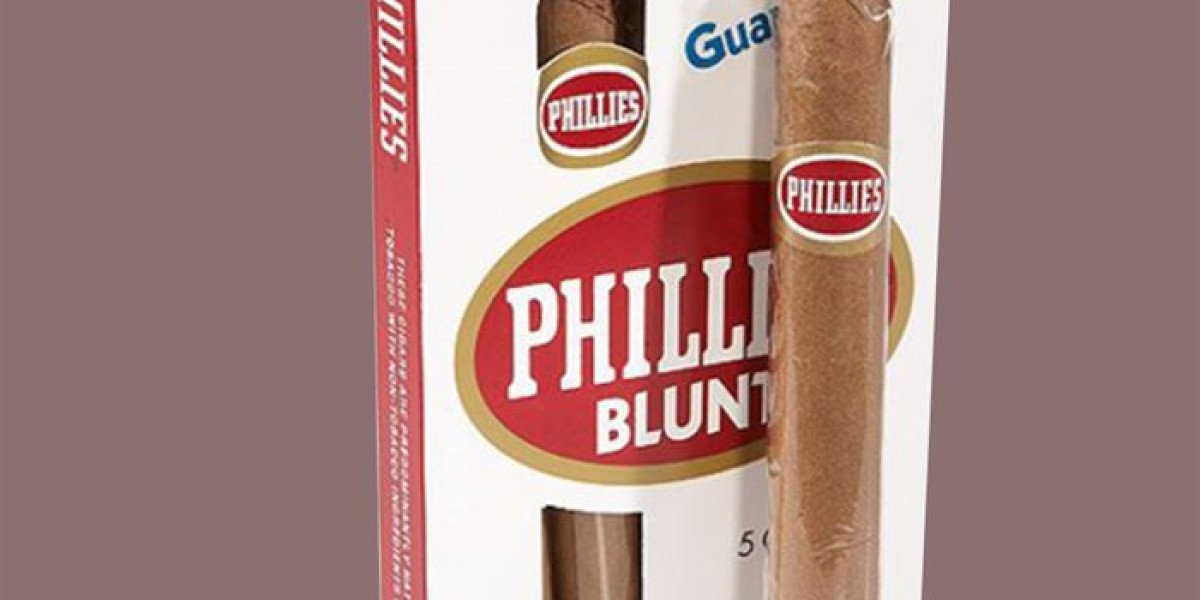

Packaging plays a critical role in shaping how consumers perceive smoking products before they ever experience what’s inside. In a competitive retail environment, visual appeal, functionality, and compliance-driven design all work together to influence trust, quality perception, and purchase decisions. For smoking-related products, packaging is not only a protective layer but also a silent communicator of safety, reliability, and brand values.
As regulations increase and consumer awareness grows, packaging has evolved from simple containment to a strategic element of product presentation. The right packaging can elevate credibility, improve shelf visibility, and reinforce responsible usage without relying on overt promotion.
The Psychological Impact of Functional Packaging
Consumers often associate well-designed packaging with higher-quality products. In smoking categories, this association becomes even stronger because buyers expect discretion, protection, and compliance. Packaging that appears sturdy, well-sealed, and thoughtfully designed signals professionalism and care.
The use of odor-resistant blunt boxes in modern packaging reflects this shift. When packaging visibly communicates containment and control, it reassures customers that the product respects both personal privacy and environmental considerations. This subtle reassurance significantly influences perception at the point of sale.
Key psychological triggers influenced by packaging include:
Perceived product freshness
Sense of safety and responsibility
Brand legitimacy and trustworthiness
Convenience and ease of storage
These elements collectively shape the consumer’s emotional response and buying confidence.
Visual Design and First Impressions
Visual design remains one of the strongest perception drivers in smoking product packaging. Color schemes, typography, and layout all influence how a product is judged within seconds.
Minimalist designs often suggest premium quality and discretion, while bold visuals can communicate identity and differentiation. However, visual appeal must align with compliance expectations, especially in regulated markets.
Effective retail blunt packaging often balances:
Neutral or muted color palettes
Clean typography for readability
Clear structural design without clutter
Purpose-driven aesthetics over decoration
This balance helps products appear professional rather than sensationalized, which is increasingly important to modern consumers.
Structural Design and Consumer Confidence
Beyond visuals, the physical structure of packaging plays a crucial role in shaping perception. Consumers subconsciously evaluate weight, rigidity, and opening mechanisms when handling packaging.
Well-constructed boxes communicate:
Durability during transport
Protection against external exposure
Long-term storage reliability
In smoking products, sturdy packaging reduces concerns about damage, leakage, or unwanted exposure. When consumers feel confident in the packaging, they are more likely to trust the product itself.
Compliance as a Trust Signal
Compliance-focused packaging has become a major perception factor rather than just a legal requirement. Consumers are more informed than ever and often associate compliant blunt packaging with ethical manufacturing and responsible distribution.
Features that enhance trust include:
Clear labeling and warnings
Tamper-evident closures
Standardized sizing and structure
Rather than detracting from appeal, these features reassure consumers that the product adheres to industry standards and regulations.
Safety-Oriented Packaging and Responsible Messaging
Safety elements play a direct role in shaping how products are perceived, especially in shared or household environments. Packaging designed with child-resistant blunt packaging mechanisms sends a strong message of responsibility.
From a consumer perspective, such packaging:
Reduces accidental access
Demonstrates brand accountability
Aligns with modern safety expectations
This approach enhances credibility without relying on marketing language, making the packaging itself the communicator of values.
Discretion and Privacy in Purchasing Decisions
Privacy is a major concern for many consumers purchasing smoking products. Packaging that maintains discretion through sealed construction and subtle design helps address this concern.
The second functional use of odor-resistant blunt boxes lies in preserving discretion beyond the retail space. When consumers trust that packaging will not draw attention, they are more comfortable making repeat purchases.
Discretion-driven packaging improves:
Customer satisfaction
Brand loyalty
Overall user experience
This directly influences long-term consumer perception.
Retail Environment and Shelf Interaction
In retail settings, packaging must perform under visual competition. Products are often judged relative to what surrounds them, making clarity and professionalism essential.
Effective packaging in retail environments supports:
Easy stacking and display
Clear differentiation without exaggeration
Consistent brand presence
Packaging that fits seamlessly into retail displays while maintaining structure and clarity tends to attract more confident buyers.
Material Choice and Sustainability Perception
Material selection increasingly influences consumer opinion. Cardboard-based and recyclable materials are often perceived as more responsible and modern.
Consumers now associate sustainable materials with:
Ethical production practices
Reduced environmental impact
Forward-thinking brands
While sustainability alone does not drive purchases, it strengthens positive perception when combined with functional and compliant design.
Packaging as a Long-Term Brand Touchpoint
Packaging continues to influence perception even after purchase. Storage usability, durability, and reusability all contribute to how consumers remember the product.
In this context, thoughtful custom product packaging design becomes essential. When packaging maintains its integrity over time, it reinforces the impression of quality and care. Consistency in structure and messaging through custom product packaging design also supports brand recognition without relying on promotional language.
Conclusion: Packaging as a Silent Communicator
Packaging for smoking products has moved beyond simple protection. It now acts as a silent communicator of quality, safety, compliance, and responsibility. Through structural integrity, safety features, and thoughtful material choices, packaging shapes how consumers judge products before use.
When aligned with regulatory expectations and consumer values, packaging becomes a powerful perception tool rather than a marketing add-on. Brands that prioritize clarity, discretion, and functionality through custom product packaging design create stronger trust and lasting impressions—without saying a word.