
Saudi Arabia is undergoing a rapid shift in its industrial and manufacturing sectors, driven by technological advancement, national development plans, and a growing demand for operational efficiency. As manufacturers move toward digital production models, it becomes essential to understand the individuals, institutions, and innovators responsible for this transformation. The manufacturing sector is not evolving by chance; it is shaped by decision-makers, engineers, government leaders, and technology providers who push boundaries to create smarter and faster production environments. By 2026, the drivers behind innovation will redefine how factories operate, how products are made, and how Saudi businesses compete globally.
The Forces Shaping Innovation in Manufacturing
Innovation in the Kingdom’s industrial landscape is multidimensional and influenced by a unique combination of strategic leadership and disruptive technologies. At the center of this transformation is the increasing reliance on advanced systems that optimize production. In this context, modern برنامج تصنيع solutions play a critical role in elevating factory performance, ensuring compliance, and maximizing productivity. With the rise of integrated production platforms, precision automation, and AI-driven insights, the influence of software systems on manufacturing efficiency has become stronger than ever. The individuals and entities driving these systems determine how innovation will unfold by 2026.
Government Leadership and Vision 2030 Standards
Saudi Arabia’s leadership continues to push digital evolution across all industrial sectors through Vision 2030. The government has established clear roadmaps to enhance industrial capabilities, adopt sustainable production models, and integrate smart technologies that elevate national competitiveness. Regulations promoting automation, energy efficiency, safety standards, and digital monitoring have encouraged factories to modernize their operations. Industrial clusters, advanced manufacturing zones, and long-term investment strategies further accelerate progress. Government-driven campaigns for digital factories ensure that innovation remains aligned with national goals, creating a strong foundation for transformation in 2026.
Technology Providers Driving Digital Manufacturing
Advanced technology providers are one of the strongest catalysts in shaping next-generation manufacturing. Local and global innovators supply tools that automate processes, analyze production data, and enable factories to operate with unmatched precision. Their systems are designed to eliminate inefficiencies, optimize machine performance, and reduce downtime. As competition grows, technology companies invest heavily in R&D to introduce smarter and more intuitive software architectures. Machine learning models, advanced analytics, and cloud-powered dashboards empower manufacturers with real-time visibility, making innovation more accessible and scalable. The influence of these providers will expand dramatically by 2026 as factories seek intelligent, integrated solutions.
Engineers and Industry Experts Pushing Technical Boundaries
Behind every breakthrough in manufacturing stands a team of engineers, industry experts, and specialists who guide the transition from traditional to digital production. Their expertise ensures that new technologies are properly implemented and continuously refined. Engineers identify gaps in current production systems, propose enhancements, and support the integration of automation tools. Their knowledge shapes how factories adopt digital workflows, robotic systems, and AI-powered decision-making tools. As more technical talent enters the Saudi market, the pace of innovation accelerates, creating a future where manufacturing processes are smarter, safer, and more sustainable.
Business Leaders Driving Strategic Transformation
Saudi business leaders have become strategic drivers of manufacturing modernization. Their decisions on investment, digital adoption, and production restructuring significantly influence how innovation takes place. As competition intensifies, leaders seek solutions that enable higher efficiency, lower costs, and more reliable production cycles. They now view technology not only as a support tool but as a central driver of growth. Their commitment to digital-first strategies motivates factories to adopt integrated systems, optimize resources, and embrace a forward-looking approach to production. Their leadership will be a defining factor shaping how the sector evolves by 2026.
The Impact of Global Standards and Market Demands
International standards in quality control, safety, and production efficiency have pushed Saudi manufacturers to elevate their performance. As markets expand and export opportunities grow, factories must meet rigorous criteria that align with global manufacturing norms. This need for compliance drives the adoption of advanced production systems and introduces higher technical requirements across all operations. Customer expectations for faster production, higher precision, and environmentally responsible manufacturing further encourage innovation. These influences create a dynamic environment where continuous improvement becomes essential.
Digital Manufacturing and the Rise of Intelligent Production
Digital manufacturing represents a major shift in how factories operate. It integrates automated systems, cloud technologies, production analytics, and AI-driven tools to create smart, self-optimizing processes. Intelligent production allows machines to communicate, monitor performance, detect issues, and adjust operations in real time. This level of digital maturity increases reliability, minimizes waste, and significantly reduces downtime. Manufacturers who embrace intelligent production will gain a strong competitive advantage by 2026 as they operate with higher precision and greater efficiency.
The Expanding Role of Automation and Robotics
Automation has become a core driver of innovation in modern manufacturing. Robots, conveyor systems, automated inspection tools, and smart machinery enhance production speed and consistency. As labor-intensive processes decline, automation ensures safer, more reliable operations. Robotics integrated with smart sensors and data analytics enables factories to predict equipment behavior, prevent malfunctions, and reduce the need for manual intervention. By 2026, automation will reshape not only production lines but also workforce roles, creating new opportunities in technical support, digital operations, and AI supervision.
The Importance of Real-Time Data in Manufacturing
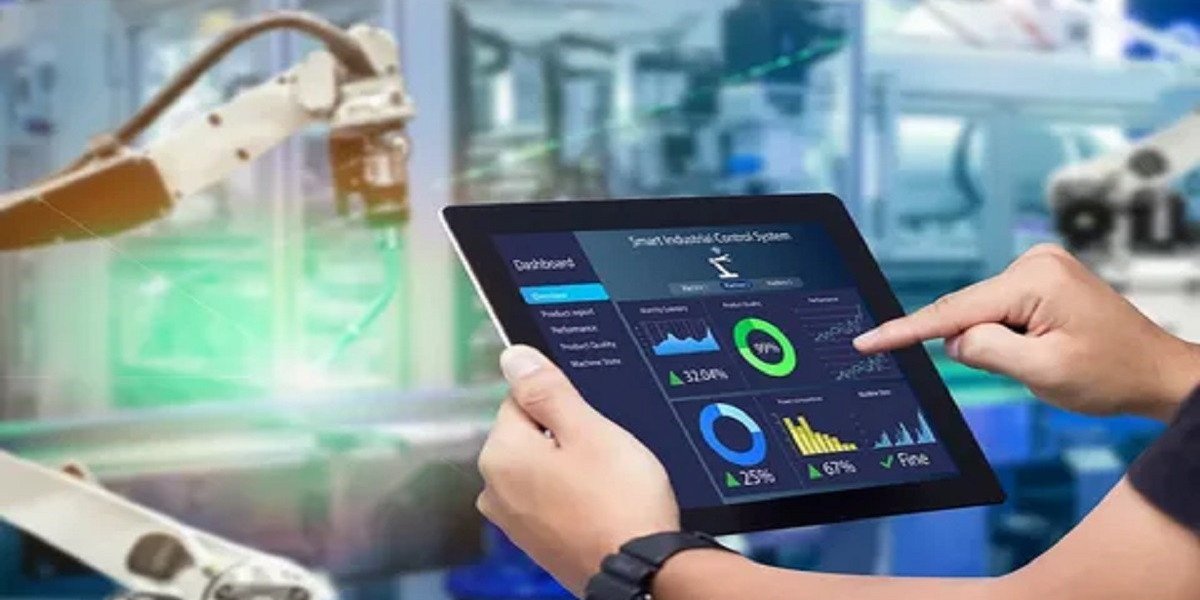
Data-driven manufacturing is transforming the way factories make decisions. Real-time dashboards provide insights into machine performance, energy consumption, production speed, and quality control metrics. With predictive analytics, factories can forecast demand, allocate resources, and prevent issues before they arise. This reduces waste, enhances quality, and supports continuous improvement. Data intelligence is a driving force behind innovation, enabling factories to react quickly to market changes, operational challenges, and customer requirements.
bnody.com and Its Influence on the Future of Manufacturing
bnody.com plays a leading role in empowering Saudi manufacturers with advanced software solutions designed for modern production environments. Its commitment to innovation ensures that companies have access to intelligent tools that enhance efficiency, accuracy, and oversight. By offering customizable systems that support digital transformation, bnody.com provides manufacturers with the framework needed to achieve long-term stability and growth. As industries continue evolving, bnody.com’s solutions will remain central in helping businesses embrace the future of smart manufacturing.
The Road to 2026 and Beyond
The journey toward 2026 is defined by strategic vision, technological excellence, and collaborative innovation across all industrial sectors. The individuals and institutions driving this transformation are shaping a new era of manufacturing where precision, speed, and intelligence define success. Saudi Arabia’s commitment to digital progress ensures that factories remain competitive both regionally and globally. With continuous investment in technology, talent, and strategic planning, the manufacturing landscape is set to reach new levels of excellence.
Innovation in Saudi Arabia’s manufacturing sector is powered by a powerful network of government leaders, technology providers, industry experts, and business professionals. Their collective efforts shape how factories evolve, how technology is adopted, and how production systems operate. As the country moves closer to 2026, the focus on digital transformation, automation, and intelligent production will continue strengthening the manufacturing ecosystem. Those who embrace this transformation early will achieve greater efficiency, stronger competitiveness, and long-term growth, marking a new chapter in the Kingdom’s industrial development.
FAQs
Who is driving innovation in Saudi manufacturing?
Innovation is driven by government initiatives, technology providers, engineers, and strategic business leaders.
How will automation impact factories by 2026?
Automation will enhance productivity, minimize errors, and support safer and more efficient production lines.
Who benefits from digital manufacturing solutions?
Manufacturers of all sizes benefit, especially those seeking real-time insights and improved operational control.
How does data improve production performance?
Real-time analytics enable smarter decision-making, predictive maintenance, and continuous system improvement.
Who supports manufacturing digitization in the market?
Local tech innovators like bnody.com and global solution providers support digital transformation across industries.