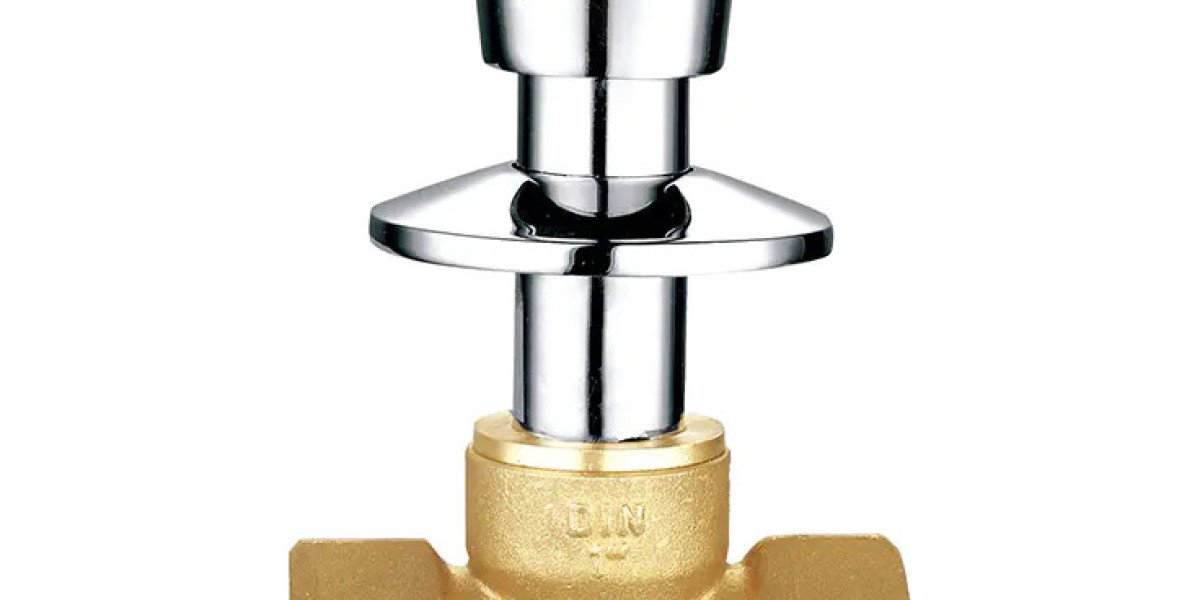

Globe valve producers supply components that are integral to controlling the flow of liquids and gases in complex industrial systems. Their products are found in chemical plants, oil refineries, water distribution networks, and power stations. Globe valves are valued for their ability to provide precise flow regulation, which is essential for maintaining safety and process efficiency.
The construction of a globe valve typically includes a body, bonnet, disk, and seat ring. The disk moves perpendicular to the seat, allowing for fine adjustments to the flow rate. Globe valve producers carefully engineer these components to reduce wear and ensure that sealing surfaces remain effective under repeated cycles. The design also allows for easier maintenance compared to other valve types, a factor considered by engineers when selecting valves for critical processes.
Production of globe valves involves multiple stages, including casting or forging the body, machining precise components, and assembling the internal mechanisms. Material choice is influenced by fluid type, temperature, and pressure conditions. For instance, corrosive fluids may require valves made from stainless steel or special alloys, while non-corrosive applications may use carbon steel or bronze. Globe valve producers must also consider compliance with international standards to ensure that their products are accepted in diverse markets.
In addition to traditional manual valves, globe valve producers increasingly offted control, enabling real-time adjustments in process lines. This integration supports modern process management systems and allows for monitoring and regulation without manual intervention.
Testing is an essential part of the production process. Globe valve producers typically conduct pressure tests, leakage tests, and operational checks to verify that each valve meets specifications. Consistency in manufacturing ensures that valves can perform reliably under continuous operation.
Training and documentation provided by globe valve producers support end-users in achieving proper installation and maintenance. Flow coefficient data, torque specifications, and maintenance instructions are critical for engineers to optimize system performance.
In summary, globe valve producers are essential contributors to industrial operations. Their focus on engineering, material selection, testing, and support ensures that valves provide reliable flow regulation.