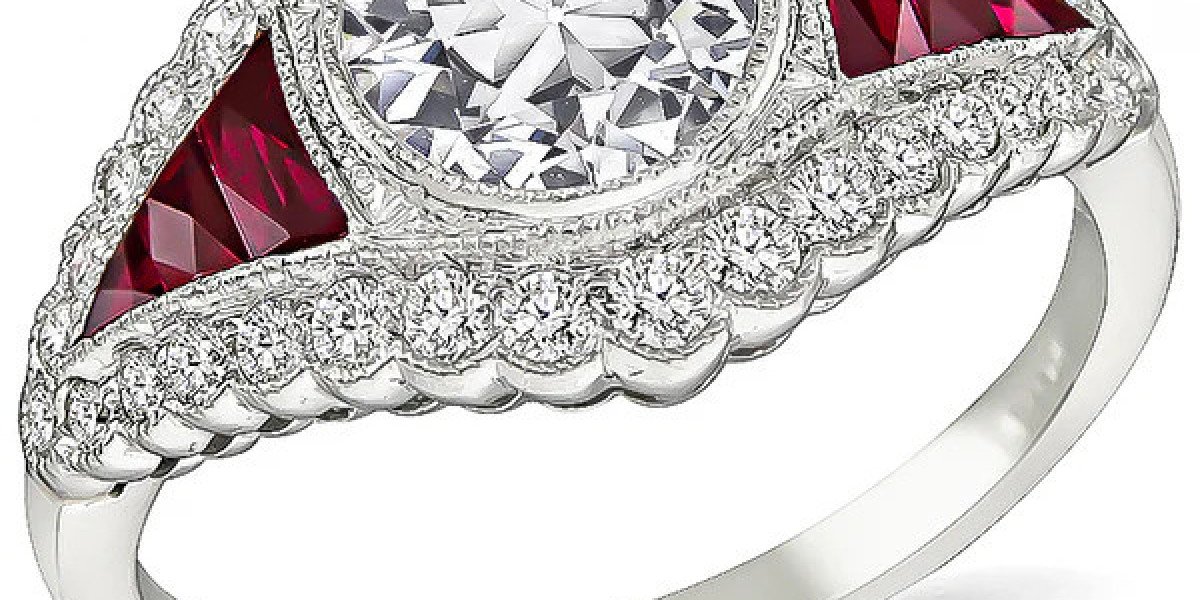

Exquisite Antique Rings from the Victorian to Art Deco Era represent a journey through time, craftsmanship, and changing aesthetics. From romance-driven Victorian designs to the bold geometry of Art Deco, antique rings are more than jewelry—they are historical artifacts that reflect the culture, technology, and emotions of their era. Collectors and jewelry lovers today are increasingly drawn to these rings for their authenticity, rarity, and enduring elegance.
Introduction to Antique Rings
Antique rings are generally defined as jewelry pieces that are over 100 years old. What makes them truly special is not just their age, but the hand-crafted techniques, natural gemstones, and symbolic meanings embedded in every design. Unlike modern mass-produced jewelry, antique rings were often made one at a time, resulting in unique details that cannot be replicated.
The period from the Victorian era through the Art Deco era is considered the golden age of antique ring design. Each era had a distinct visual language, influenced by social change, technological advancements, and artistic movements.
Victorian Era Rings (1837–1901): Romance and Symbolism
The Victorian era, named after Queen Victoria of England, was deeply rooted in emotion and symbolism. Jewelry from this time often told stories of love, loss, and devotion.
Key Design Characteristics
Victorian rings frequently featured intricate hand engraving, floral motifs, and symbolic elements such as hearts, bows, snakes, and flowers. Gold was the dominant metal, often yellow or rose gold, reflecting the warmth and romance of the era.
Gemstones and Materials
Popular gemstones included diamonds, garnets, emeralds, pearls, turquoise, and opals. Many rings used old mine-cut diamonds, which have a softer, more romantic sparkle compared to modern cuts.
Symbolism in Victorian Rings
Snake rings symbolized eternal love and wisdom
Acrostic rings spelled romantic messages using gemstones (e.g., REGARD or DEAREST)
Mourning rings featured black enamel, onyx, or jet to honor lost loved ones
Victorian rings are ideal for collectors who appreciate sentimentality and historical depth in their jewelry.
Edwardian Era Rings (1901–1915): Elegance and Refinement
The Edwardian era marked a transition toward lighter, more refined jewelry. Advances in metalworking allowed jewelers to create delicate designs that appeared almost lace-like.
Design Aesthetics
Edwardian rings are known for their airy, feminine look. Platinum became widely used for the first time, enabling slender prongs and intricate filigree work. Designs often emphasized grace and sophistication rather than heavy ornamentation.
Gemstone Preferences
Diamonds dominated this era, especially old European cut diamonds, often accented with sapphires. Pearls were also popular, reflecting the era’s preference for elegance and luxury.
Overall Appeal
Edwardian rings are highly sought after for engagement rings due to their timeless beauty, fine craftsmanship, and subtle glamour.
Art Nouveau Influence (1890–1910): Nature and Creativity
Overlapping slightly with the Edwardian era, the Art Nouveau movement introduced a more artistic and free-flowing approach to jewelry design.
Distinctive Features
Art Nouveau rings emphasized natural forms such as vines, leaves, insects, and feminine figures. Curved lines replaced rigid symmetry, giving rings a more organic and expressive appearance.
Materials and Techniques
Enamel work was widely used, along with moonstones, opals, and colored gemstones. Diamonds were used sparingly, as the focus was on artistry rather than gemstone value.
These rings are perfect for those who appreciate artistic expression and unconventional beauty.
Art Deco Era Rings (1920–1935): Bold Geometry and Modernism
The Art Deco era marked a dramatic shift in design philosophy. Influenced by industrial progress, global travel, and modern architecture, jewelry became bold, structured, and glamorous.
Signature Design Elements
Art Deco rings are characterized by strong geometric shapes, symmetry, and high contrast. Clean lines, step patterns, and architectural forms dominate the designs.
Metals and Gemstones
Platinum and white gold were the preferred metals. Diamonds were often paired with sapphires, emeralds, rubies, onyx, and coral to create striking color contrasts. Calibre-cut gemstones were commonly used for precision and uniformity.
Enduring Popularity
Art Deco rings remain among the most popular antique rings today, especially for engagement rings, due to their dramatic style and timeless sophistication.
Craftsmanship and Techniques Across Eras
One of the defining features of antique rings is the exceptional craftsmanship. Before modern machinery, jewelers relied on hand tools, resulting in subtle imperfections that add character and authenticity.
Techniques such as hand engraving, milgrain detailing, filigree, and bezel setting were perfected during these eras. These methods required immense skill and time, making antique rings true works of art.
Why Antique Rings Are Highly Valued Today
Antique rings offer a unique combination of beauty, history, and sustainability. Since they are already in existence, choosing antique jewelry is an environmentally conscious option. Additionally, their rarity and craftsmanship often make them more valuable over time.
Collectors value antique rings for:
One-of-a-kind designs
Historical significance
Superior hand craftsmanship
Natural, untreated gemstones
How to Choose the Right Antique Ring
When selecting an antique ring, consider the era that best matches your personal style. Romantic individuals may gravitate toward Victorian designs, while lovers of bold fashion often prefer Art Deco pieces.
It’s also important to:
Verify authenticity and age
Check gemstone condition and settings
Understand the ring’s history and provenance
Working with a trusted antique jewelry expert ensures confidence in your purchase.
Caring for Antique Rings
Because antique rings are delicate and historic, proper care is essential. Avoid harsh chemicals, remove rings during heavy activity, and have them inspected periodically by a professional jeweler experienced in antique pieces.
With the right care, these rings can be cherished and passed down for generations.
Conclusion
Antique rings from the Victorian to Art Deco eras capture the evolution of jewelry design across nearly a century of history. Each ring tells a story—of love, innovation, and artistry—that modern jewelry simply cannot replicate. Whether you are a collector, a romantic, or someone seeking a truly unique piece, antique rings offer timeless elegance that transcends trends and generations.